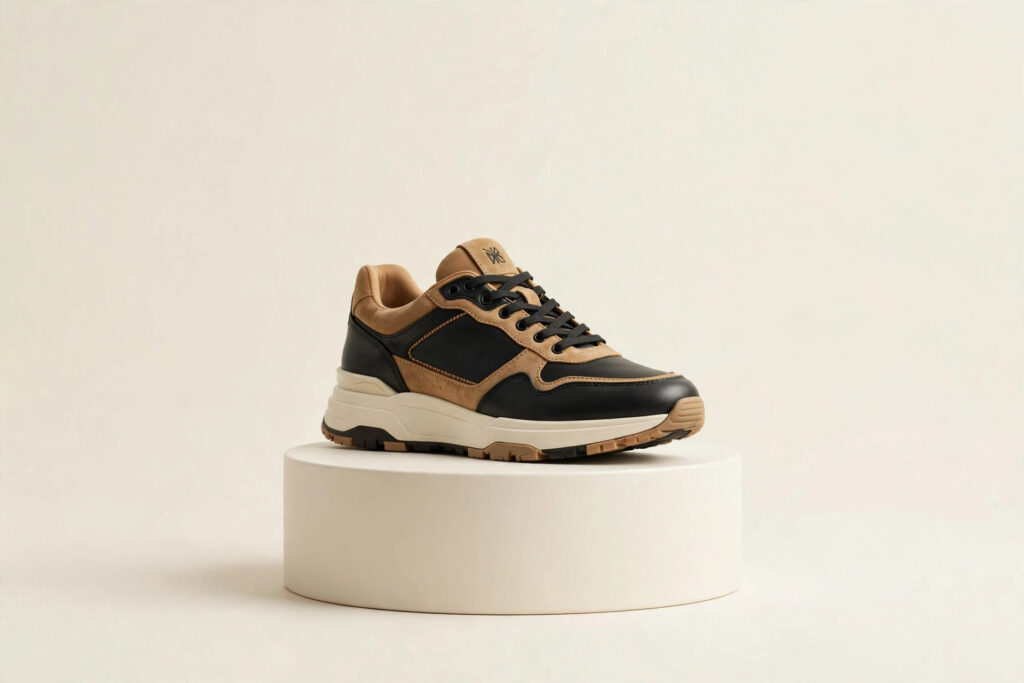
A sneaker drop is a limited release sold at a set time, often through a raffle where you enter for a chance to buy at retail price. Hype builds when supply stays small and demand spreads fast. Miss, and your next shot is usually resale — at a markup.
You know the rhythm even if you’ve never entered one. A photo leaks. A date gets circled. Then, on the morning itself? Gone in minutes, sometimes seconds.
It can feel like a secret club. It isn’t, really. The rules are just scattered — a bit on a brand app, a bit in fine print, a bit in habits you pick up after a few painful Ls.
So let’s lay it out plainly. How drops work, how raffles pick winners, why some pairs explode — and what you, as a normal buyer with one account, can do to get a fair shot.
What a drop actually is
Forget the mystique for a second. A drop is just a release with the supply turned down and the timing turned up.
A general-release shoe might restock quietly and still sit on shelves a month later. A drop shoe lands on one date, in a fixed run of sizes, through a short list of shops and apps. Once it’s gone, the brand moves on.
Why sell fewer shoes than people want? Attention is worth money too. A sold-out shoe gets talked about, photographed, argued over — and that buzz lifts the next release. Sometimes scarcity is the plan.
How raffles work, step by step
A raffle flips the usual race on its head. Instead of rewarding whoever clicks fastest at 10 a.m., it collects entries first and draws names later.
Here’s the typical flow:
- Entry window opens. You get hours, sometimes a couple of days, to enter. No sprint required.
- You pick your size and confirm payment details. Most raffles ask for a card up front. You’re not charged yet — the card is there so a win can become a purchase without another checkout battle.
- The window closes and names are drawn. Winners get a notification, an email, or both. Some retailers give you a short window to confirm. Miss it and the pair passes to someone else.
- Payment runs, shoes ship. Losing entries simply expire. No charge, no pair, no drama — well, some drama.
You’ll meet raffles in two main places. Brand apps run their own — Nike SNKRS and adidas Confirmed are the best-known examples. Independent boutiques run theirs too, often through their own sites or raffle platforms, and often with pickup in store.
Read the terms each time. Seriously. One shop wants one entry per person. Another allows one per household. A third requires local pickup with ID that matches the entry. The fastest way to get disqualified isn’t bad luck. It’s skimming.
Why hype forms so fast
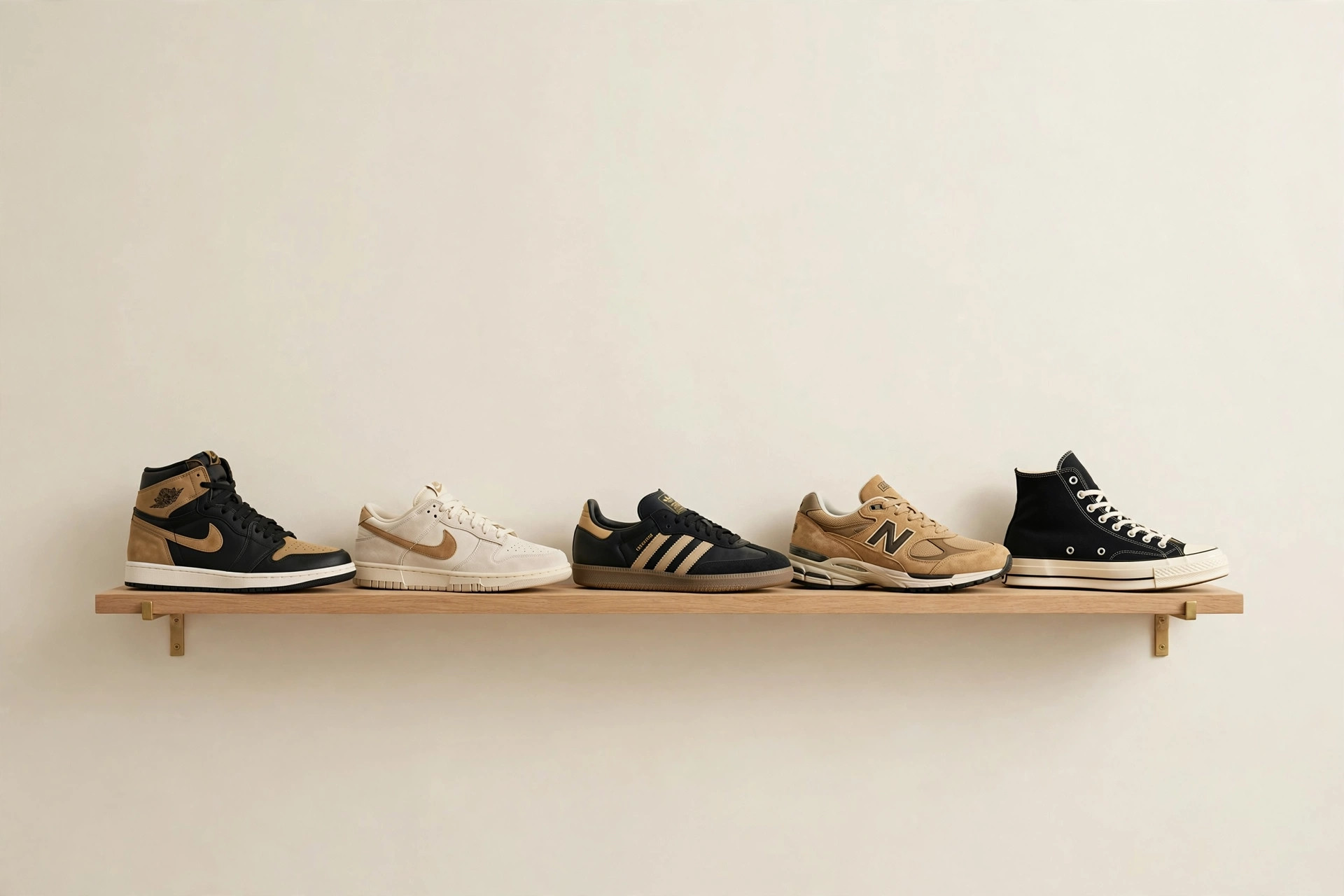
Hype looks irrational from the outside — people queuing for shoes they haven’t touched? Look closer, and the pieces make sense.
Scarcity you can see
A countdown timer is a powerful thing. So is a size run draining in real time. When you can watch supply shrink, waiting feels risky and buying feels urgent — even for a shoe you were lukewarm on yesterday.
That urgency is partly real — the run is limited. But design amplifies it: timers, low-stock warnings, push notifications landing at exactly the wrong moment for your self-control.
Story, collabs, and borrowed heat
A plain shoe in a new color rarely causes chaos. A shoe tied to a designer, an athlete, a beloved old silhouette, or a story people can repeat in one sentence? Different animal.
Collaborations borrow audiences. The brand brings the shoe, the partner brings the fans. Add a nickname — every hyped pair seems to earn one — and the shoe gets easy to talk about and show off.
The screenshot effect
Then feeds do the rest. One unboxing becomes a hundred reposts. Before release day arrives, a pair can feel famous — and famous things feel valuable, whether or not the shoe changed at all. Plenty of hyped pairs are genuinely well made. Hype just measures attention first, price second.
How resale pricing really works
The moment a drop sells out, a second market opens. Pairs change hands on resale platforms, through local shops that buy and sell deadstock stock, and in person at sneaker events.
The resale price isn’t set by a committee. It’s what the next buyer will pay, right now, for that size, in that condition. Sizes matter more than beginners expect — a common size can carry a very different price from an odd size. Same shoe, same box, different market.
A few forces push prices around:
- How many pairs exist versus how many people missed out and still want them.
- Condition and proof. Deadstock, unworn pairs with receipts and original boxes tend to command more than worn pairs with no paperwork.
- Time. Some pairs spike in the first week, then cool as the next drop steals the spotlight. Others climb slowly as clean pairs get harder to find.
- Restocks and re-releases. News that a shoe is coming back can soften a resale price fast. Why pay a premium today for something returning next season?
Why fair can still feel rigged
Let’s be honest about the sore spot. Automated bots have been a long-running problem in limited releases, and brands and retailers have spent years building checks against them — account verification, payment matching, entry limits, and drawing systems designed to filter out bulk entries.
Does that catch everything? No. But raffles exist partly because first-come drops reward speed above everything — and speed is where automation wins.
Your best protection is boring. Use one real account, with real details. Don’t run duplicate entries under variations of your name or address. Retailers check, entries get cancelled for it, and accounts get flagged. One clean entry beats five sketchy ones that all get tossed.
How to give yourself a fair shot
You can’t control the draw. You can control almost everything before it. Think of it as removing every silly reason to lose before luck even gets a say.
Before the drop
- Set accounts up early. Create and verify your accounts days ahead, not minutes ahead. Add your address and payment method while you’re calm.
- Know your size in that brand. Sizing shifts between models, so check size guidance and decide before the window opens.
- Turn notifications on. Raffle windows and winner confirmations are easy to miss in a crowded inbox. App notifications plus email is a safer net than either alone.
- Enter widely, within the rules. Entering once at each retailer carrying the release — where terms allow it — is normal and fair. Duplicates at the same retailer are the problem.
On the day
- Charge your phone, check your card. Expired cards and banks flagging an unfamiliar charge have ended more wins than bad luck ever will.
- Don’t panic-refresh. In app draws, follow the app’s own prompts and let it process. Hammering buttons doesn’t improve a draw and can glitch a session you need intact.
- Watch the confirmation window. If you win, you may need to confirm quickly. Set an alarm for when results are expected if the retailer publishes one.
None of this guarantees a W — anyone who promises that is selling you something. It just stops you losing winnable drops to expired cards, wrong sizes, and missed emails.
If you miss: buying resale without getting burned
Missing hurts less when you slow down. The worst resale buys happen in the first angry hour after an L.
Give it a beat. Check prices across more than one platform, for your exact size, and look at recent completed sales where a platform shows them — asking prices are wishes, sold prices are facts. Factor in fees and shipping, too.
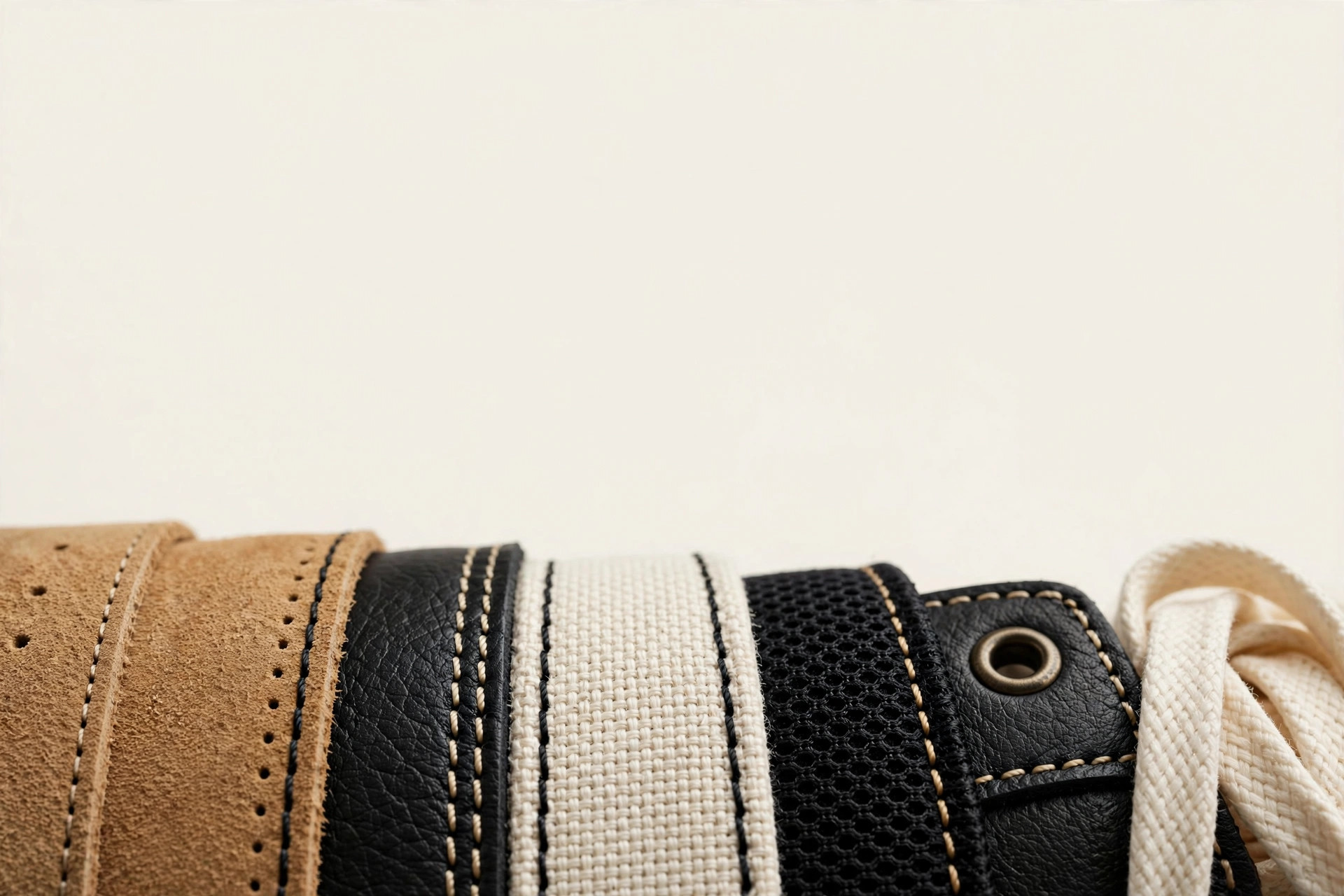
Authentication matters too. Read what a resale platform actually checks before you rely on it. For private sales, ask for clear photos of the box label, size tag, stitching, and insoles, plus a receipt if there is one. A seller who won’t send basic photos is telling you something. Listen.
Set a ceiling before you start, and let the pair go if the market wants more. There’s always another drop — on a calendar this crowded, that’s just true.
The part nobody tells beginners
Most collections aren’t built on wins alone. They’re built on taste — knowing which pairs you’d wear into the ground and which you only wanted because a countdown told you to.
So here’s a small test before your next entry. If this shoe restocked tomorrow, in every size, with no timer and no crowd… would you still buy it? If yes, enter with a clear head and enjoy the chase. If no, you just saved yourself money and a morning of refresh anxiety.
Drop culture, at its best, is still about the shoes. Raffles and resale charts are just the weather around them. Learn how the weather works — and don’t let it pick your wardrobe.
Frequently asked questions
What’s the difference between a drop and a raffle?
A drop is the release itself — a shoe going on sale at a set time in limited numbers. A raffle is one way of selling it: you enter during a window, names are drawn, and winners get the chance to buy at retail price. Some drops skip raffles and sell first-come, first-served instead.
Do raffles charge your card when you enter?
Usually not at entry. Most raffles collect your payment details up front so a win can be processed straight away, and the charge runs only if you’re drawn. Always check the specific retailer’s terms, though, because a few use temporary holds or slightly different steps.
Can you enter the same raffle more than once?
At the same retailer, generally no — one entry per person is the standard rule, and duplicates can get all your entries cancelled. Entering once at several different retailers carrying the same shoe is a different thing, and it’s normally allowed under each shop’s own terms.
Why do resale prices differ so much by size?
Because demand isn’t spread evenly across a size run. Popular sizes have more buyers chasing them, while less common sizes may have fewer pairs and fewer buyers. Resale price follows that balance for each size separately, so the same shoe can carry very different prices from one size to the next.